Week 2
Why Mobile Marketing Has Become So Powerful
Over the last decade, marketing has shifted heavily toward mobile devices. Most people now carry a smartphone everywhere they go, which has completely changed how companies reach potential customers. Instead of relying only on television commercials, billboards, or print ads, businesses can now connect with consumers directly through their phones. Because people spend so much time on mobile devices, mobile marketing has become one of the most effective tools companies can use to promote products and build brand awareness.
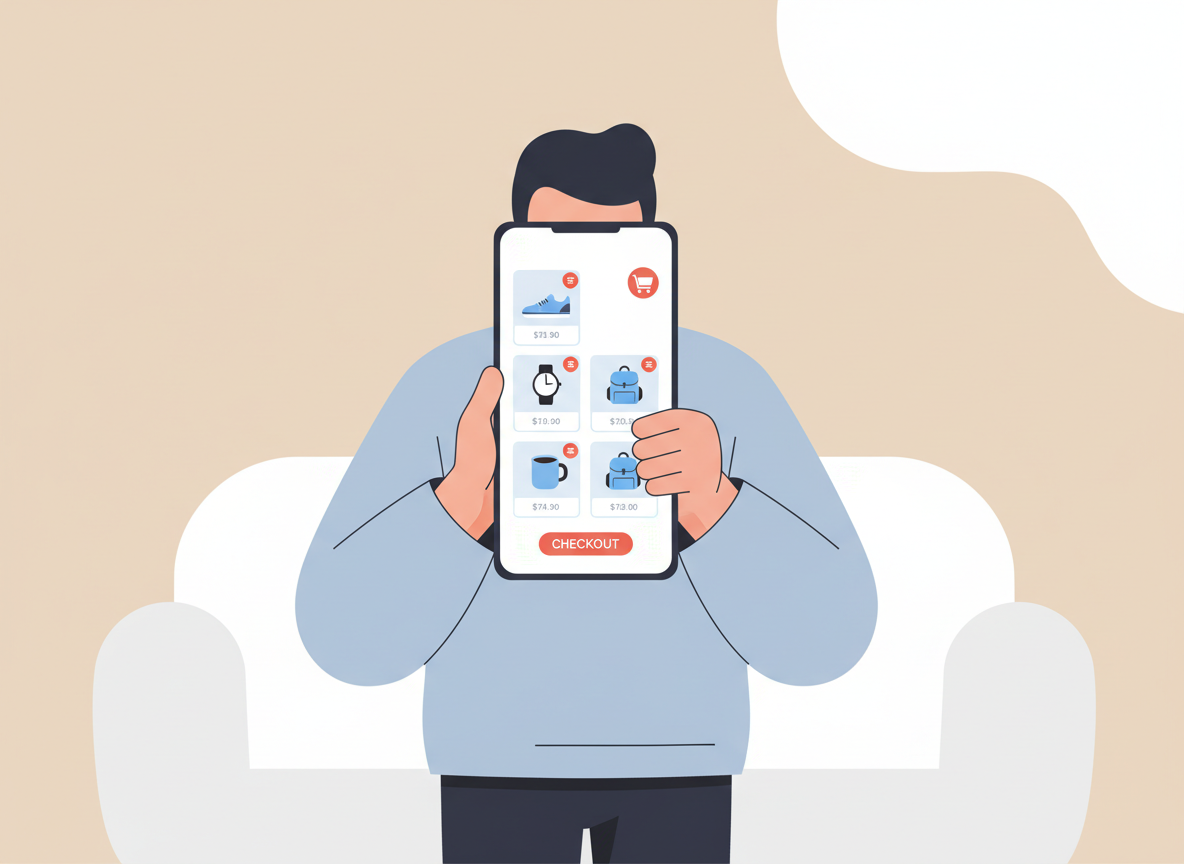
Mobile marketing has become especially powerful because people use their smartphones for everyday tasks like shopping, banking, and entertainment. The image here illustrates how a single device gives consumers instant access to products, reviews, and personalized offers wherever they are.
When marketers design campaigns specifically for mobile screens, they can create ads and experiences that feel natural within the apps and websites people already use. This makes mobile promotions less disruptive and more likely to capture attention and lead to a purchase.
One of the biggest advantages of mobile marketing compared to traditional marketing is how quickly it can reach people. A television or newspaper advertisement may reach a broad audience, but it is not always targeted to people who are interested in the product. Mobile marketing works differently. Companies can place advertisements on platforms like YouTube, Instagram, or other apps where people already spend their time. This makes it easier to reach audiences who are more likely to be interested in what is being advertised. According to Statista (2024), mobile devices account for more than half of global internet traffic, which shows just how important smartphones have become in everyday life.
Another advantage of mobile marketing is that it can guide consumers directly to a purchase. When someone sees an advertisement on a mobile platform, they can often click a link that takes them directly to a website or online store. This short path between advertisement and purchase makes it easier for businesses to convert interest into sales. For example, someone watching a YouTube video might see an advertisement for a product related to the content they are watching. With just a few taps on their phone, they can learn more about the product or even buy it immediately. This direct connection between advertising and the point of sale is something traditional marketing channels cannot easily replicate.
Mobile marketing also allows companies to build ongoing relationships with their customers. Many businesses use mobile apps and loyalty programs to keep customers engaged. Restaurants, retailers, and streaming platforms frequently use mobile apps to send promotions, offer rewards, and remind customers about new products or services. Starbucks is a good example of this approach. Their mobile app allows customers to collect reward points, receive special offers, and order ahead, which encourages repeat purchases and strengthens customer loyalty.
Another benefit of mobile marketing is that it creates opportunities for interaction between brands and consumers. Social media platforms allow customers to comment, share posts, and communicate directly with companies. This type of dialogue helps businesses understand what their customers like, dislike, and expect from a product or service.
Even though mobile marketing has many advantages, it also comes with some challenges. One of the biggest concerns is privacy. Many consumers worry about how their personal data is collected and used for targeted advertising. Because of this, marketers must be careful about how they gather and use customer information. Transparency and responsible data use are important for maintaining trust with consumers.
Another challenge is the risk of overwhelming users with too many notifications or advertisements. If companies send too many promotional messages, people may become annoyed and ignore the content completely. To avoid this problem, marketers need to focus on sending messages that are relevant and useful instead of simply increasing the number of advertisements they deliver.
Overall, mobile marketing has become a powerful tool because it allows companies to reach consumers quickly, guide them toward a purchase, and build long-term relationships through mobile apps and loyalty programs. As smartphones continue to play a major role in everyday life, businesses that use mobile marketing effectively will have a strong advantage over companies that rely only on traditional advertising methods.
References
Statista. (2024). Mobile internet traffic worldwide. https://www.statista.com
YouTube. (n.d.). Advertising on YouTube. https://www.youtube.com/ads
 Welcome to Kurt Talk