
Introduction to Modern Consumer Behavior
Welcome to Kurt’s Consumer Behavior Blog, your source for straightforward insights into consumer behavior. Here, we explore the latest trends, strategies, and tools that help businesses make informed decisions and stay ahead in a competitive landscape.
Consumer Behavior 1-2

Week 1 Blog-Kurt Hodges
Understanding consumer behavior is essential for developing effective marketing strategies because it explains why consumers choose certain products, brands, and experiences. For my final project in this course, I have selected Apple as the company of focus and Apple Watch bands as the specific product category. This combination provides a strong foundation for analyzing consumer decision-making, segmentation, and post-purchase behavior.
Company Selection: Apple
Apple is one of the most recognizable and influential brands in the global marketplace. The company has built a loyal customer base by combining innovation, design, and emotional brand connections. Apple products often go beyond basic functionality and become extensions of a consumer’s lifestyle, identity, and values. Because of this, Apple provides an ideal context for studying consumer behavior concepts such as motivation, perception, involvement, and brand loyalty. Consumers do not simply purchase Apple products for utility; they often buy into the brand’s ecosystem, reputation, and perceived status.
Category Selection: Apple Watch Bands
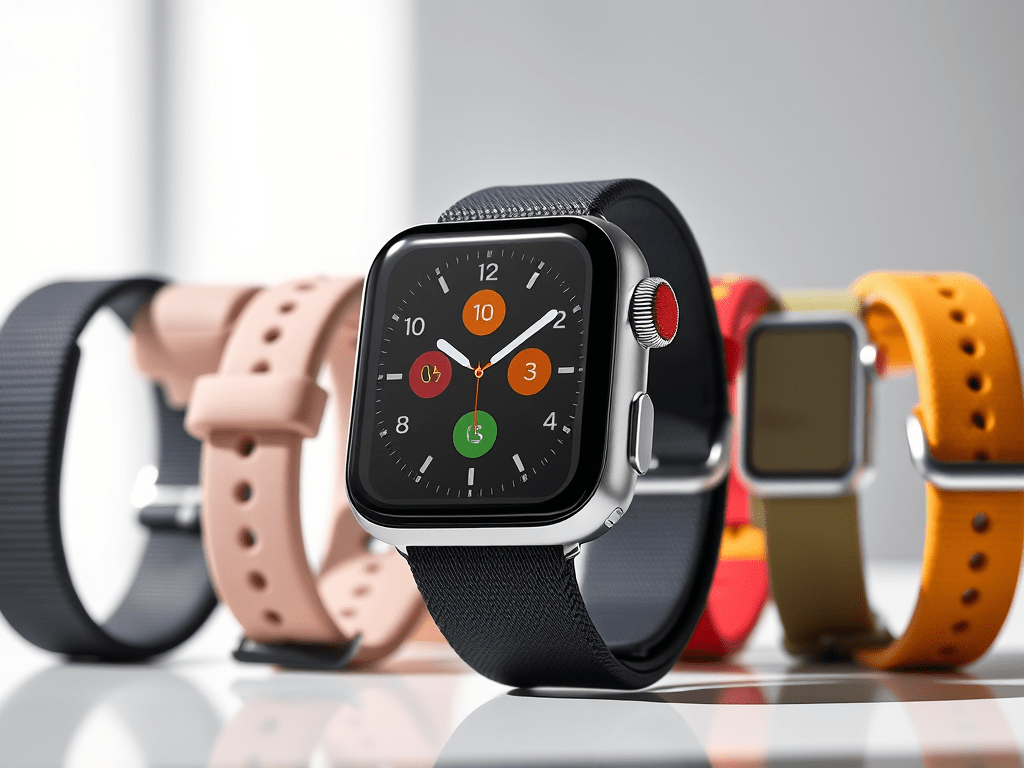
Within Apple’s product portfolio, Apple Watch bands represent a unique and highly relevant category. While the Apple Watch itself serves functional purposes such as health tracking, communication, and productivity, the bands allow for personalization and self-expression. Consumers can choose from a wide range of materials, colors, styles, and price points, making this category especially useful for examining how wants and needs interact during the buying process.
Apple Watch bands are not typically purchased out of necessity. Instead, they are often driven by lifestyle changes, fashion preferences, social influence, and emotional satisfaction. This creates opportunities to analyze repeat purchasing behavior, impulse buying, and how consumers evaluate alternatives within the same brand.
Why This Category Fits Consumer Behavior Analysis
Apple Watch bands are well suited for consumer behavior analysis because they reflect both low- and high-involvement decision-making depending on the consumer and the situation. Some consumers may view bands as purely functional replacements, while others treat them as fashion accessories that signal identity, fitness goals, or professional image. This category allows for exploration of the consumer buying process, including problem recognition (needing a different band for a specific activity), information search, evaluation of alternatives, and post-purchase satisfaction.
Additionally, this category supports segmentation analysis across demographic, psychographic, and behavioral dimensions. For example, fitness-focused consumers may prefer sport bands, while professionals may choose leather or metal options. Understanding these differences is critical for developing targeted marketing strategies.
Alignment With the Final Project
This company and category selection aligns well with the objectives of the final project because it allows for in-depth examination of consumer behavior principles. Apple Watch bands provide a clear platform for analyzing segmentation strategies, personalized marketing, and the impact of consumer preferences on product development and promotion. The category also offers strong opportunities to explore one-to-one marketing and post-purchase behavior, which are central themes of this course.
Conclusion
By selecting Apple and the Apple Watch band category, this project will focus on how consumers make decisions that are influenced by lifestyle, identity, and emotional value. This category offers meaningful insights into modern consumer behavior and provides a strong foundation for applying course concepts throughout the remainder of the class.
References
Babin, B. J., & Harris, E. G. (2022). Consumer behavior (9th ed.). Cengage Learning.
Apple and the Apple Watch Band Category

ECO friendly the future?

Week 2 Blog-Kurt Hodges
Understanding market segmentation is critical for marketers because consumers do not all want or value the same things. Chapter 2 of Consumer Behavior emphasizes that segmentation allows companies to group consumers based on shared characteristics and design strategies that better meet their needs. To explore this concept, this blog examines Apple’s segmentation strategies within the Apple Watch band category and proposes a new market segment worth exploring.
Market Segments Identified and Segmentation Strategies Used
Apple uses multiple segmentation strategies simultaneously within the Apple Watch band category. From a demographic perspective, bands are offered across a wide range of price points, appealing to consumers with different income levels. Entry-level sport bands target cost-conscious consumers, while leather and metal bands appeal to higher-income professionals.
From a psychographic standpoint, Apple Watch bands are positioned as lifestyle accessories rather than simple functional components. Fitness-oriented consumers are targeted with sport and trail bands, while style-conscious consumers are drawn to leather and designer-inspired options. These bands allow consumers to express identity, values, and personal style, which aligns closely with the self-concept emphasis discussed in Chapter 2.
Apple also leverages behavioral segmentation, particularly usage occasion and benefits sought. Some consumers purchase bands for specific activities such as exercise, work, or formal events. Others seek comfort, durability, or aesthetic appeal. This segmentation approach encourages repeat purchases, as consumers often own multiple bands for different situations.
Together, these strategies allow Apple to position Apple Watch bands as both functional and expressive products, strengthening brand loyalty and increasing customer lifetime value.
Key Points to Remember When Implementing Segmentation Strategies
Based on Chapter 2 and Apple’s approach, several key points stand out when implementing segmentation strategies:
- Segments must be meaningful and measurable.
Effective segmentation relies on clear differences between groups that can be identified and targeted. - Consumers may belong to multiple segments at once.
Apple recognizes that a single consumer can be fitness-focused, style-conscious, and price-aware depending on context. - Segmentation should support positioning.
Segments are only valuable if they help clarify how a product is positioned relative to competitors. - Behavioral and psychographic variables often provide deeper insight than demographics alone.
Apple’s success in this category is driven largely by lifestyle and benefit-based segmentation. - Segmentation strategies should encourage long-term engagement.
Products like watch bands benefit from repeat purchasing and brand attachment, not one-time transactions.
Identifying a New Market Segment
A new and growing market segment that Apple could further explore is sustainability-focused consumers. During recent online shopping experiences, environmentally conscious branding and recycled materials have become more prominent across industries. While Apple has sustainability initiatives at the corporate level, this segment could be more explicitly targeted within the Apple Watch band category.
This segment could be defined using psychographic variables, such as environmental values and ethical consumption, combined with behavioral variables like preference for sustainable materials and willingness to pay a premium for eco-friendly products. To reach this segment, Apple could develop a line of watch bands made from recycled or plant-based materials and position them around environmental responsibility without sacrificing design or performance.
Marketing strategies could include transparent sourcing information, sustainability messaging, and digital storytelling that reinforces alignment between consumer values and product benefits. This approach would allow Apple to strengthen emotional connections with this segment while differentiating its products in a crowded accessories market.
Conclusion
Chapter 2 of Babin and Harris highlights that effective segmentation is foundational to successful marketing strategy. Apple’s use of demographic, psychographic, and behavioral segmentation within the Apple Watch band category demonstrates how companies can meet diverse consumer needs while maintaining a cohesive brand image. By further refining segmentation strategies and exploring emerging segments such as sustainability-focused consumers, Apple can continue to strengthen its positioning and relevance in the marketplace.
References
Babin, B. J., & Harris, E. G. (2022). Consumer behavior (9th ed.). Cengage Learning.
Brand Rivalries, Competitor Praise, and Consumer Behavior (Week 5)

Brand rivalries have long played a role in shaping consumer perceptions and loyalty. Traditional rivalry strategies often position brands in direct opposition to competitors, emphasizing superiority through comparison. A well-known example is the long-running Mac versus PC campaign, which framed Apple as creative and innovative while portraying competitors as outdated or rigid. While this approach can be effective in clarifying positioning and reinforcing brand identity, newer research suggests that an alternative strategy—praising competitors, can sometimes create stronger consumer responses by signaling confidence, warmth, and authenticity.
Traditional rivalry strategies rely on contrast. By highlighting weaknesses in competing brands, companies attempt to elevate their own value proposition. This can strengthen loyalty among existing customers who already identify with the brand’s personality. However, aggressive rivalry can also increase skepticism among consumers who view negative comparisons as biased or overly promotional. In contrast, praising competitors shifts the focus from competition to credibility. When a brand acknowledges the strengths of a rival, it positions itself as secure and consumer-focused rather than defensive. This approach can enhance trust and create a more positive emotional response, which may lead to increased openness toward the brand.
Consumers often respond favorably to competitor praise because it triggers automatic processing. According to consumer behavior research, individuals frequently rely on mental shortcuts to make quick judgments rather than engaging in extensive evaluation. Thin-slice theory explains how consumers form impressions based on limited information, such as tone, intent, or perceived sincerity. When a brand praises a competitor, consumers may quickly interpret the brand as honest, confident, and fair-minded. These impressions can increase engagement and reduce resistance to marketing messages, making consumers more receptive to the brand’s offerings.
From a psychological perspective, praising competitors also reduces perceived persuasion attempts. Rather than feeling pushed toward a purchase, consumers feel respected and trusted to make their own decisions. This sense of autonomy can enhance perceived value and increase purchase intent. Babin and Harris (2022) note that affective responses, such as trust and warmth, play a significant role in shaping consumer attitudes and behaviors. Competitor praise taps into these emotional responses more effectively than direct confrontation in certain contexts.
Despite its benefits, praising competitors is not always an effective strategy. In highly commoditized markets where differentiation is minimal, praising competitors may blur distinctions and weaken brand positioning. Additionally, if a brand lacks credibility or has unresolved reputation issues, competitor praise may be viewed as insincere or performative. This is particularly true for younger consumers, such as Gen Z, who are highly attuned to authenticity and consistency. If praise is not supported by the brand’s actions or values, it can backfire and erode trust rather than build it.
Praising competitors may also be less effective during early stages of brand development, when a company still needs to establish clear differentiation and awareness. In these cases, traditional positioning strategies may be more appropriate until the brand has earned sufficient credibility. Ultimately, the effectiveness of competitor praise depends on context, audience expectations, and the brand’s overall strategy.
In conclusion, brand rivalries influence consumer behavior by shaping perceptions, emotions, and decision-making shortcuts. While traditional rivalry strategies emphasize contrast and competition, praising competitors can create positive associations that enhance trust and engagement. Understanding how consumers process information automatically allows marketers to choose strategies that align with consumer psychology. When applied thoughtfully, competitor praise can be a powerful tool—but only when authenticity, clarity, and brand strength are already in place.
References
Babin, B. J., & Harris, E. G. (2022). Consumer behavior (9th ed.). Cengage Learning.



 Welcome to Kurt Talk